VOX SOUND LTD SPECIALS
Birch-Stolec factory 1971-1973
The amps on this page were designed at the Birch-Stolec factory, St Leonards-on-Sea (near Hastings), during the summer of 1971 in readiness for the Associated Musical Instrument Industries (A.M.I.I.) Trade Fair in late August of that year. The AMII was successor to the British Musical Instrument fair.
"Beat Instrumental" magazine reported the appearance of the Slave Master amplifier, which was available in two formats - bass and general purpose. As many as ten units could be daisy-chained together.
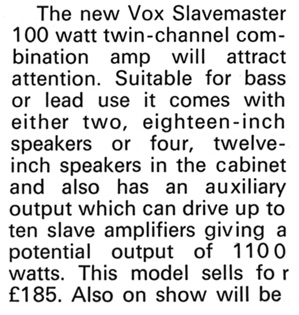
Snippet from "Beat Instrumental" magazine, August 1971
The Vox Compact 50 and 100, the other members of this short-lived range, were derivatives. Build quality throughout is excellent, sturdy birch ply cabinets, and neat careful wiring, quite unlike the chipboard and rat's nests of Vox in the States.
Whether these sold well is anybody's guess. Probably not to groups or bands, though there may have been a market in night clubs and smaller venues that needed "house equipment".
Vox Compact 100T
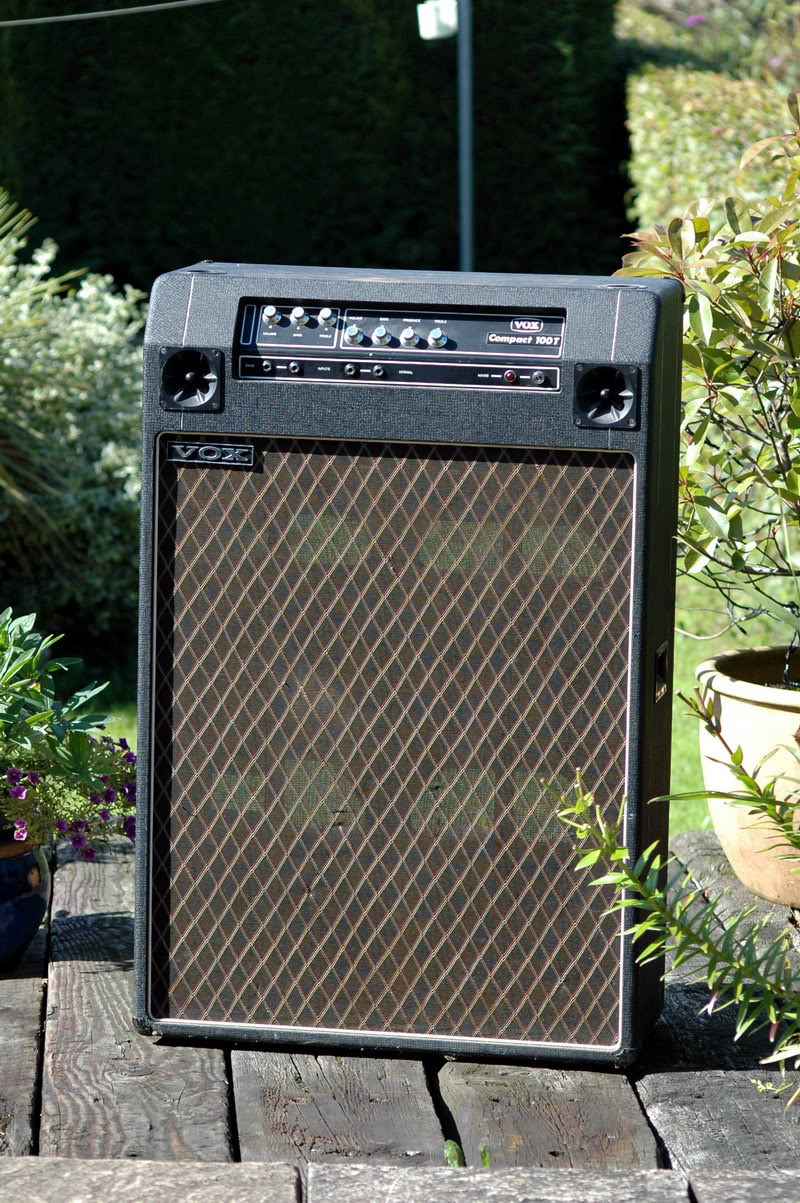
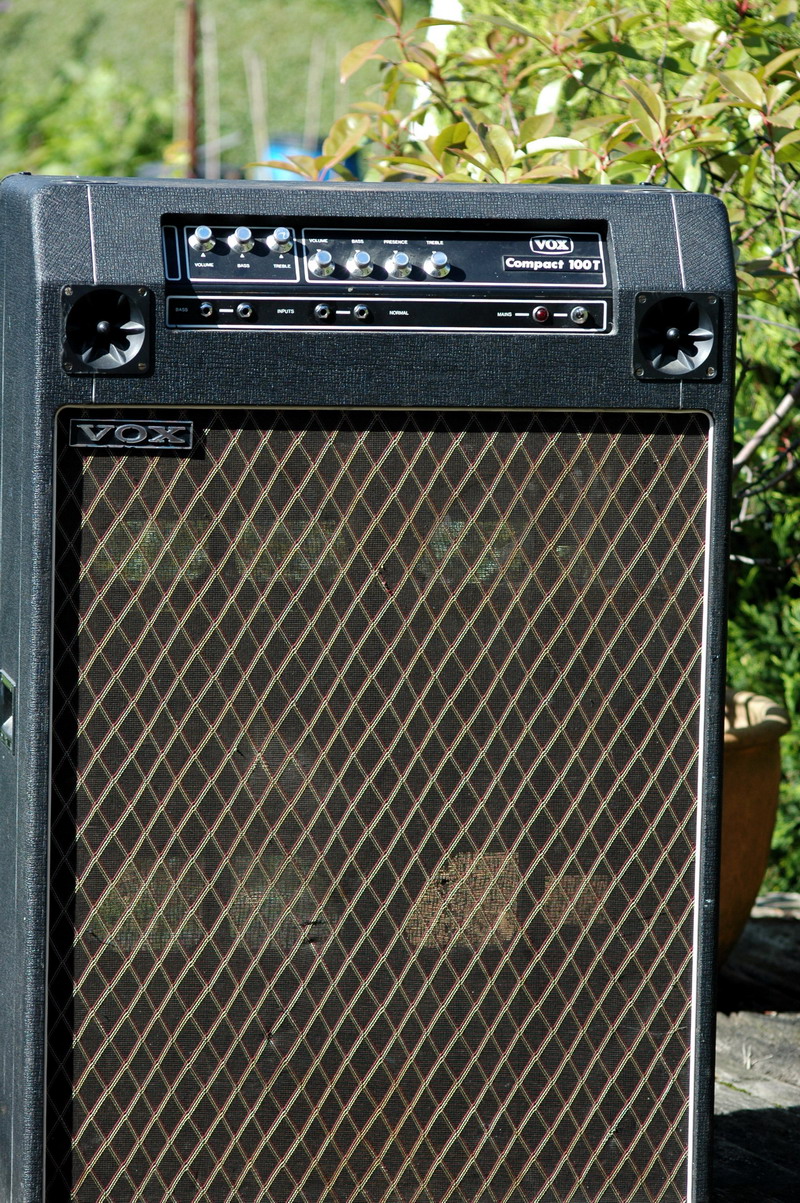
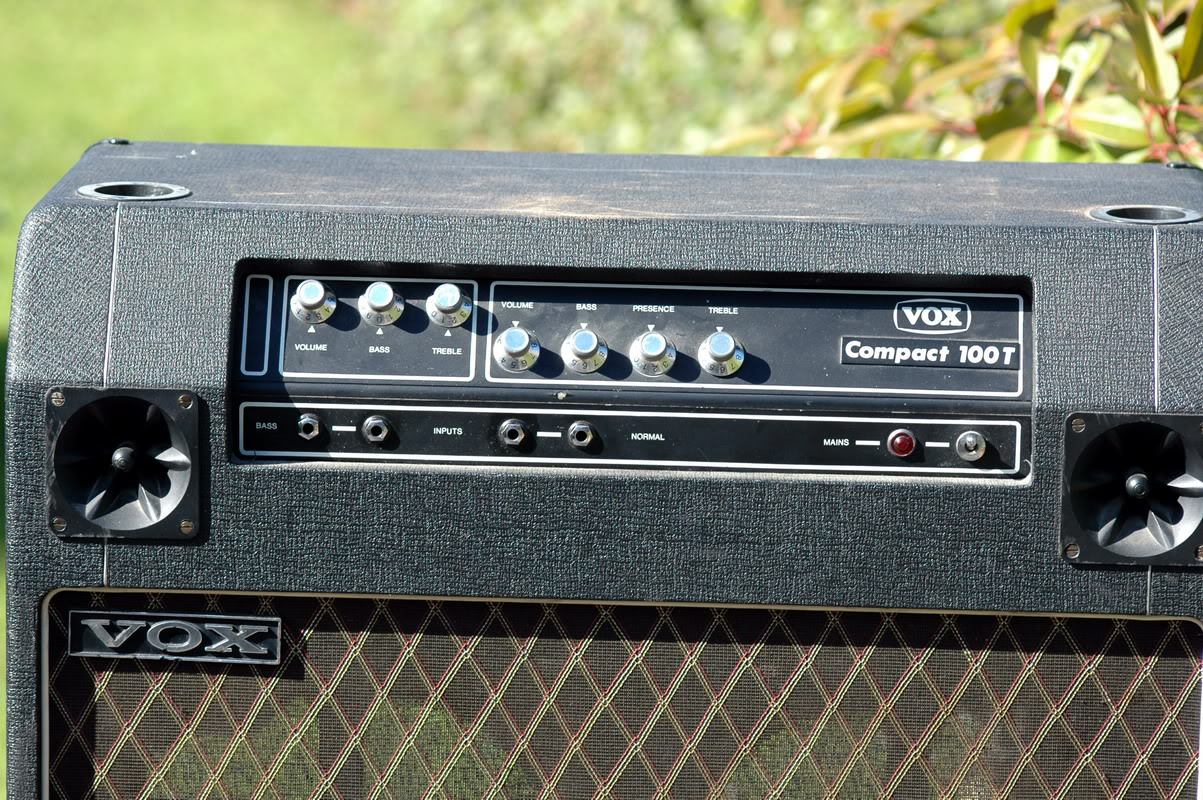
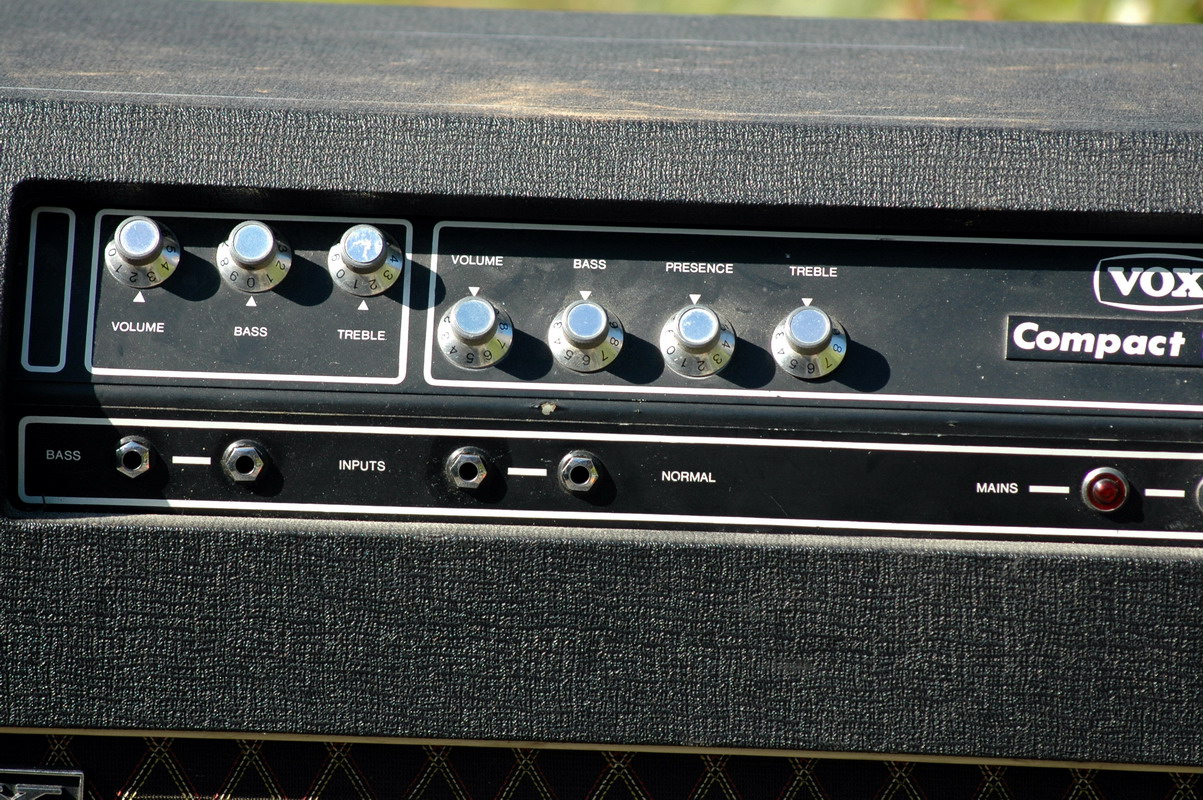
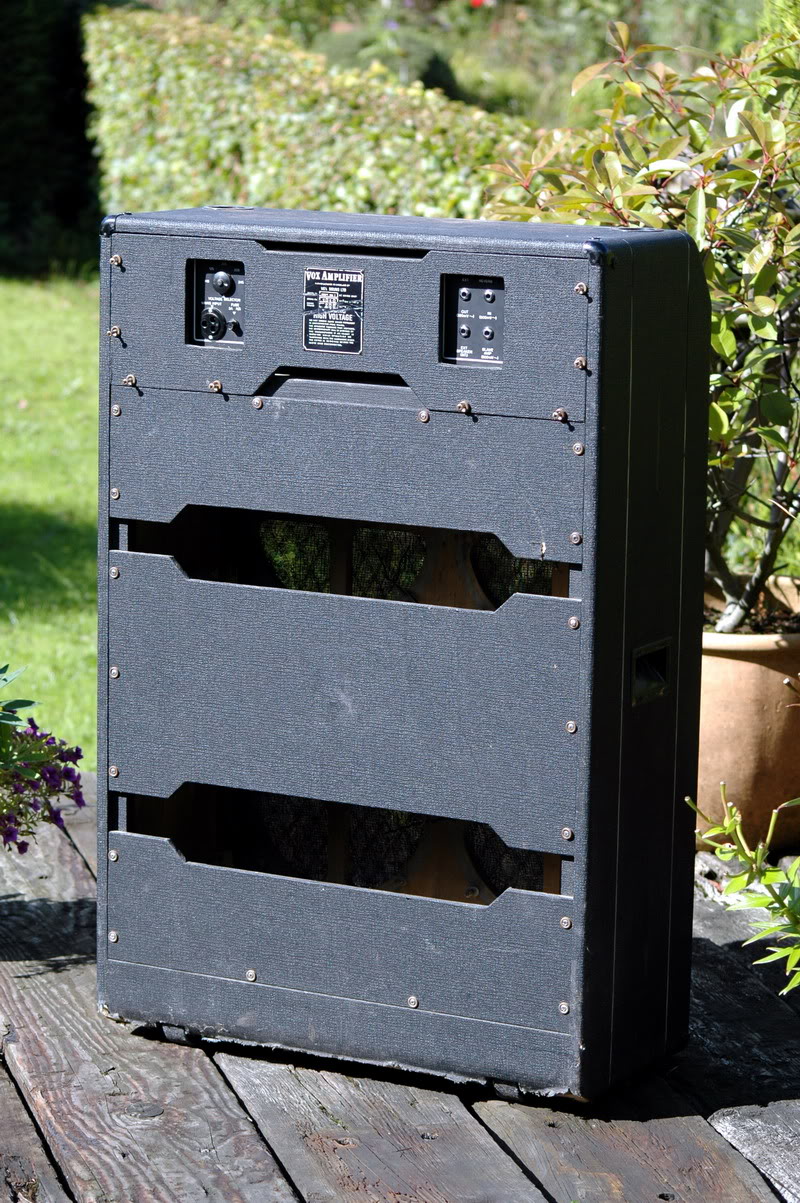
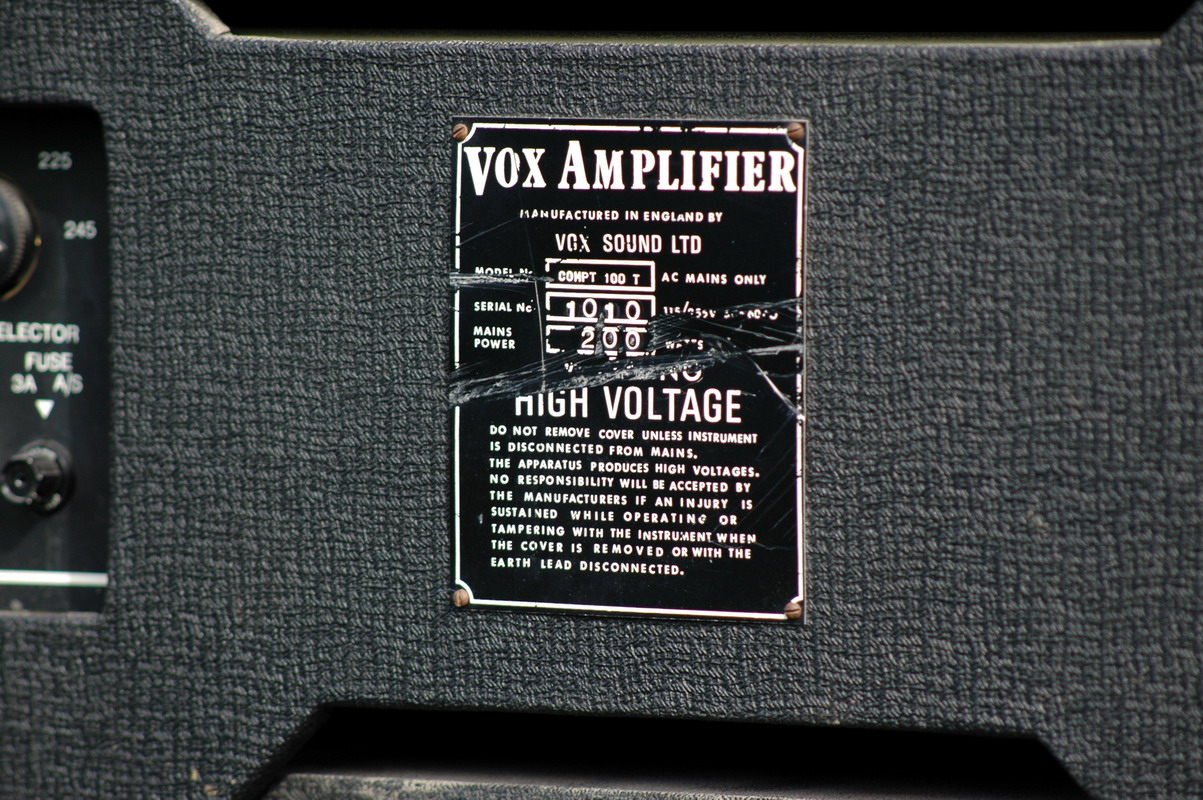
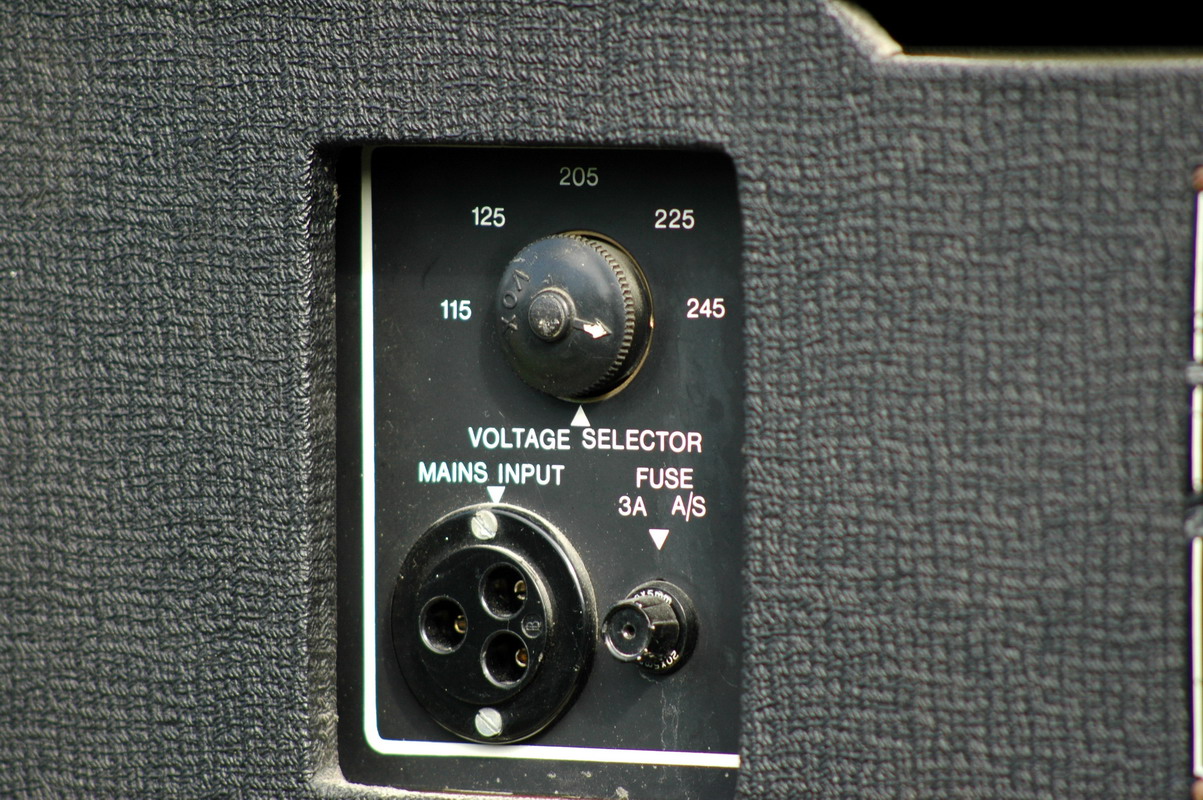
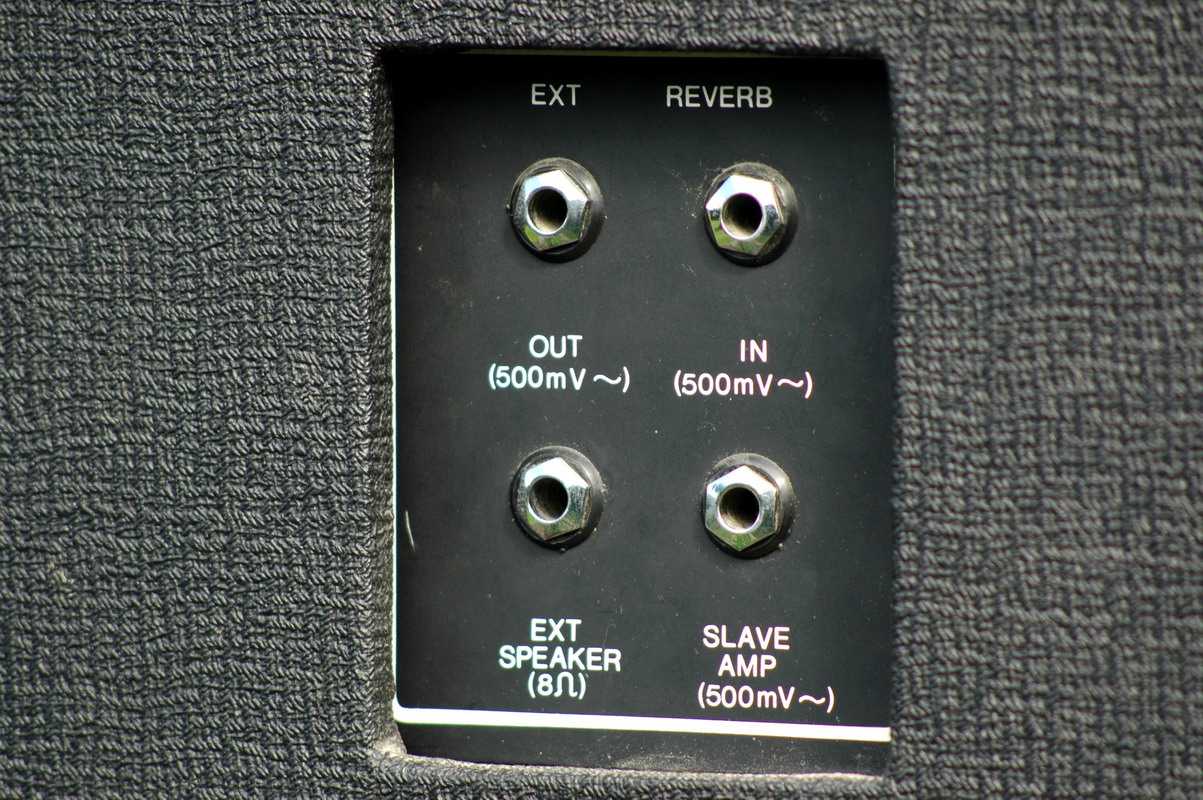
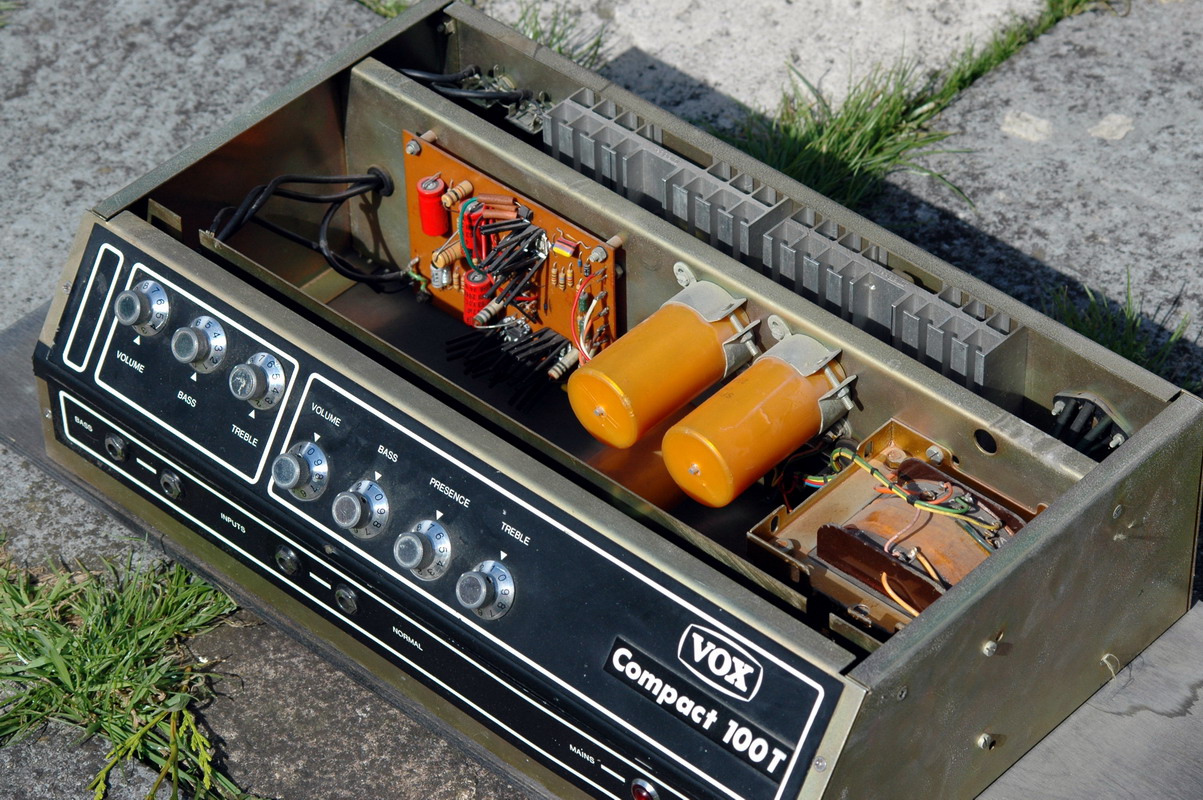
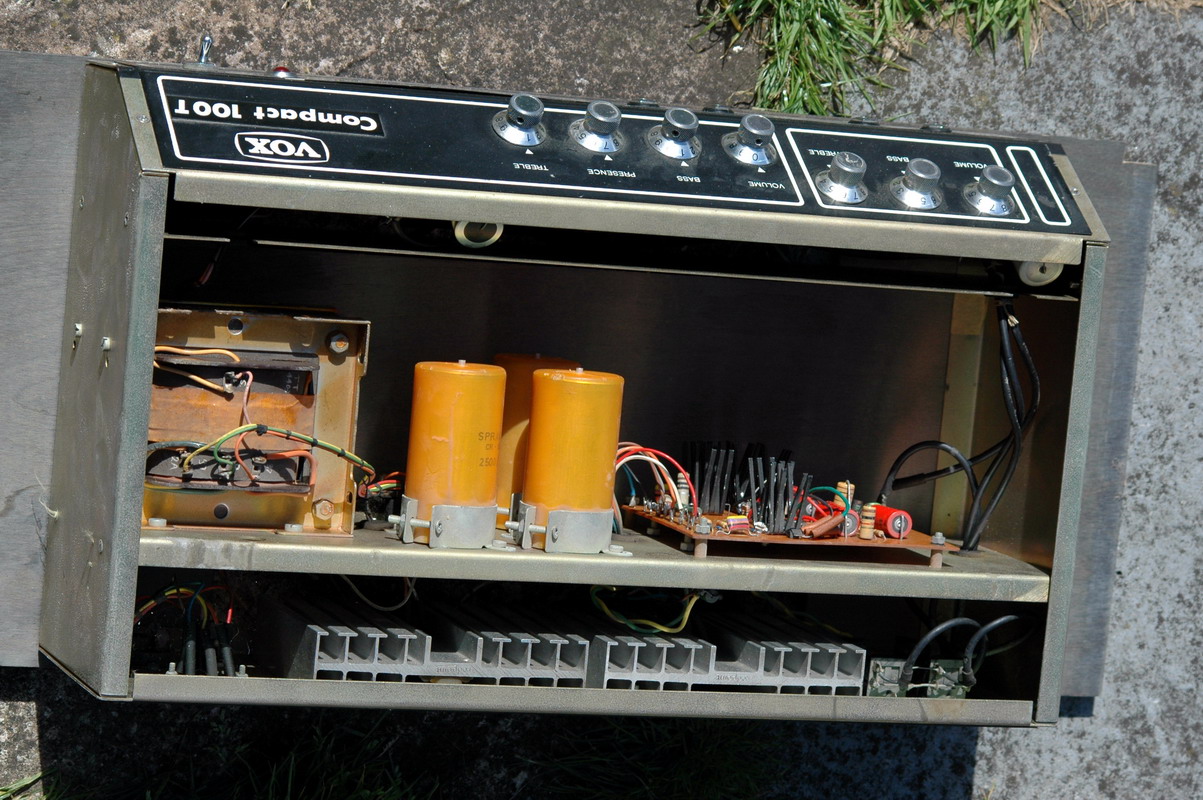
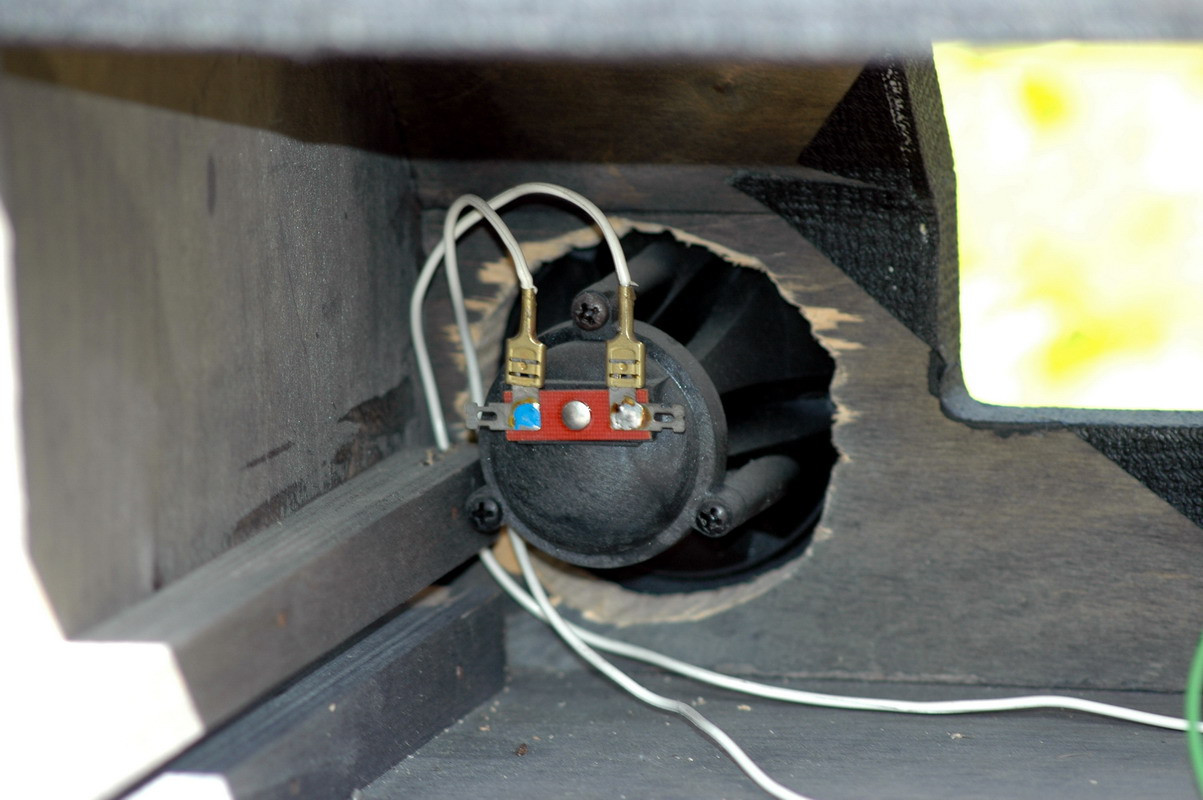
Bass and Normal channels. Simple volume and tone controls, no effects, though there is a loop line out for reverb. The tweeters are later additions. Presumably equipped with four Celestion greenbacks, either T1217, as in the unit below, or T1925s with the "whizzer" round the centre (particularly good for helping the treble along when used with bass). Evidently these units were designed to be stacked! Note the wells on the top of the cabinet.
When this unit first appeared on ebay, its original Celestion greenbacks were still in place. Unfortunately they were removed and the cabinet and amp alone sold again.
Vox Slave Master
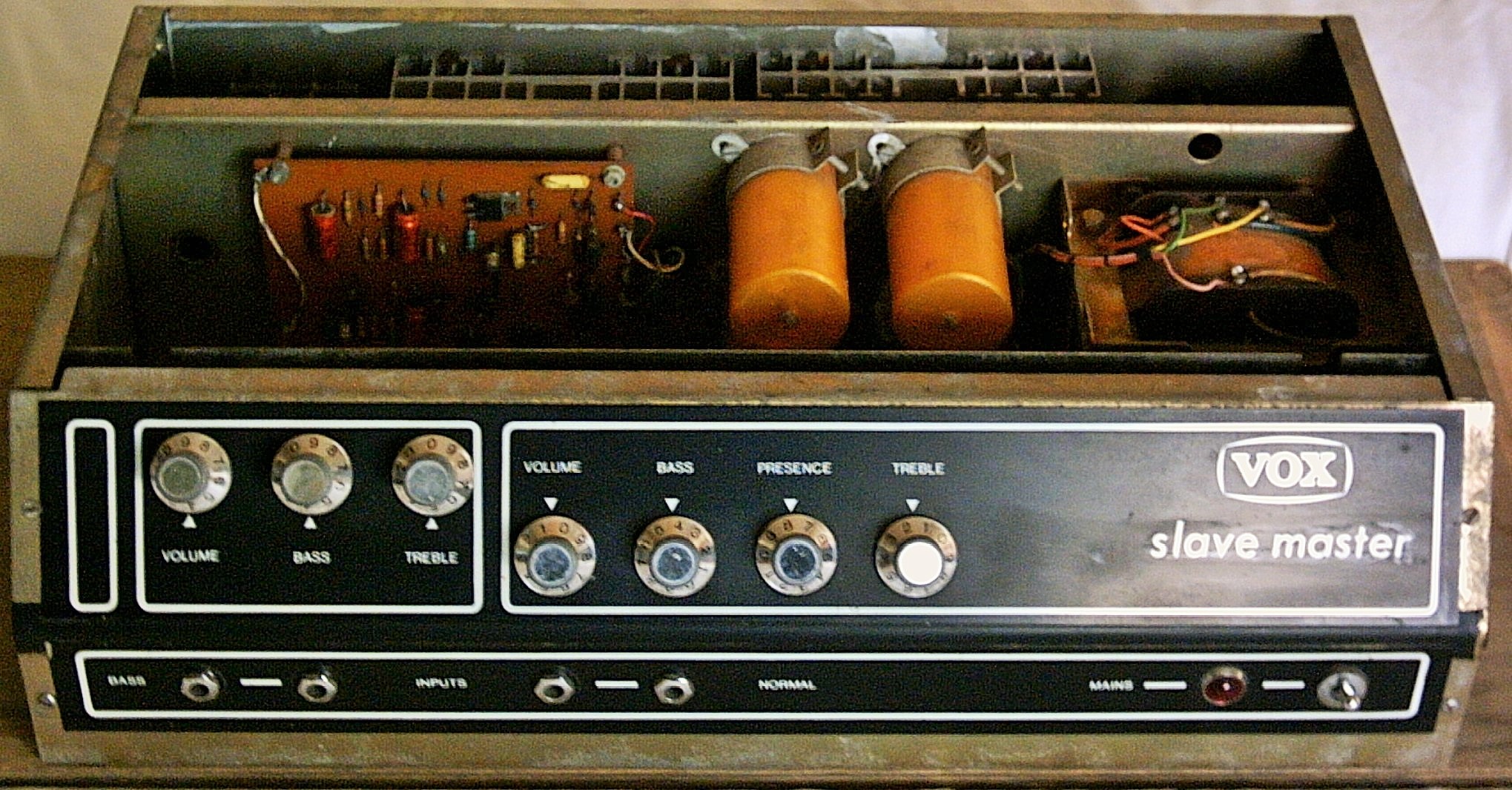
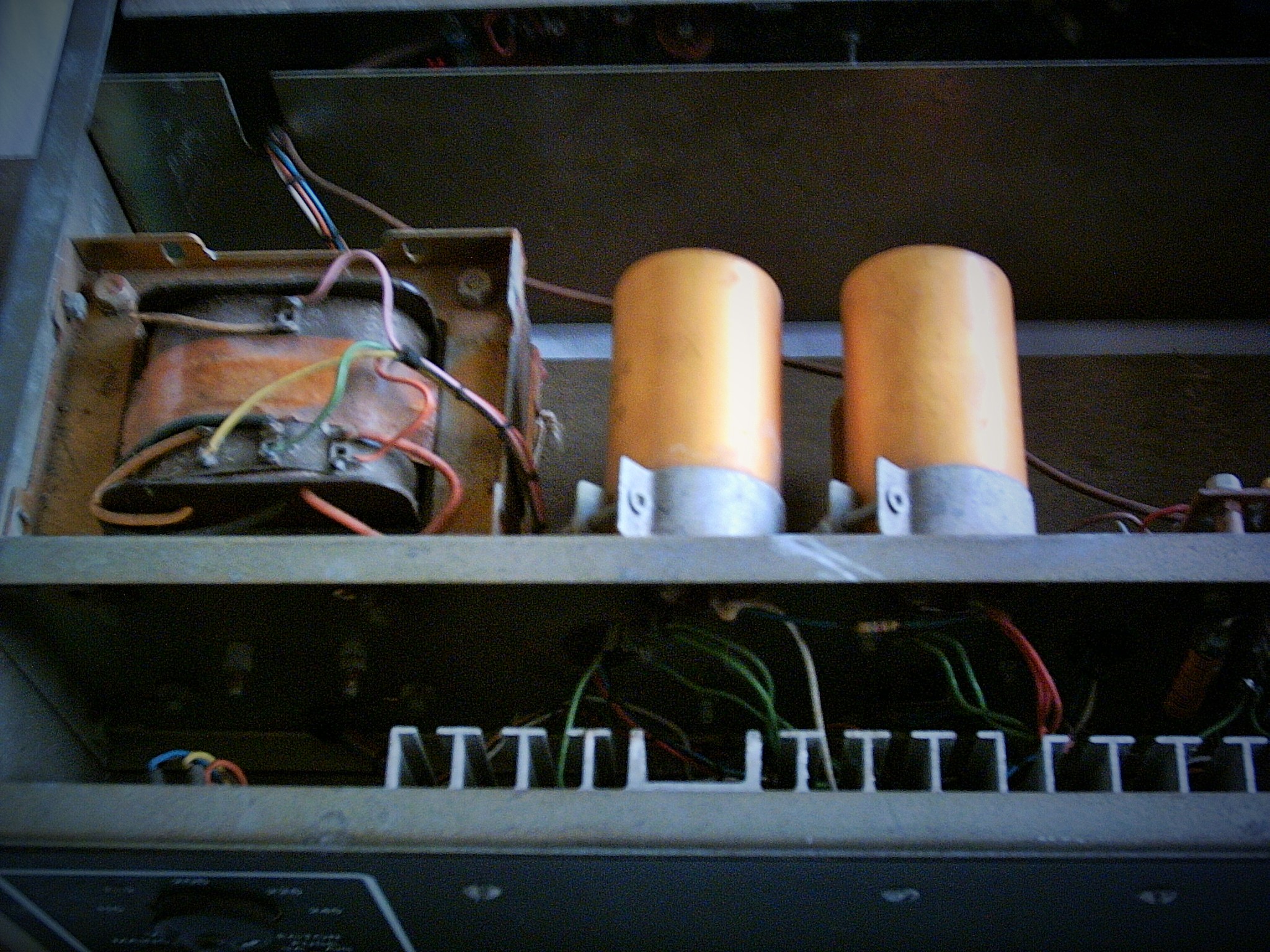
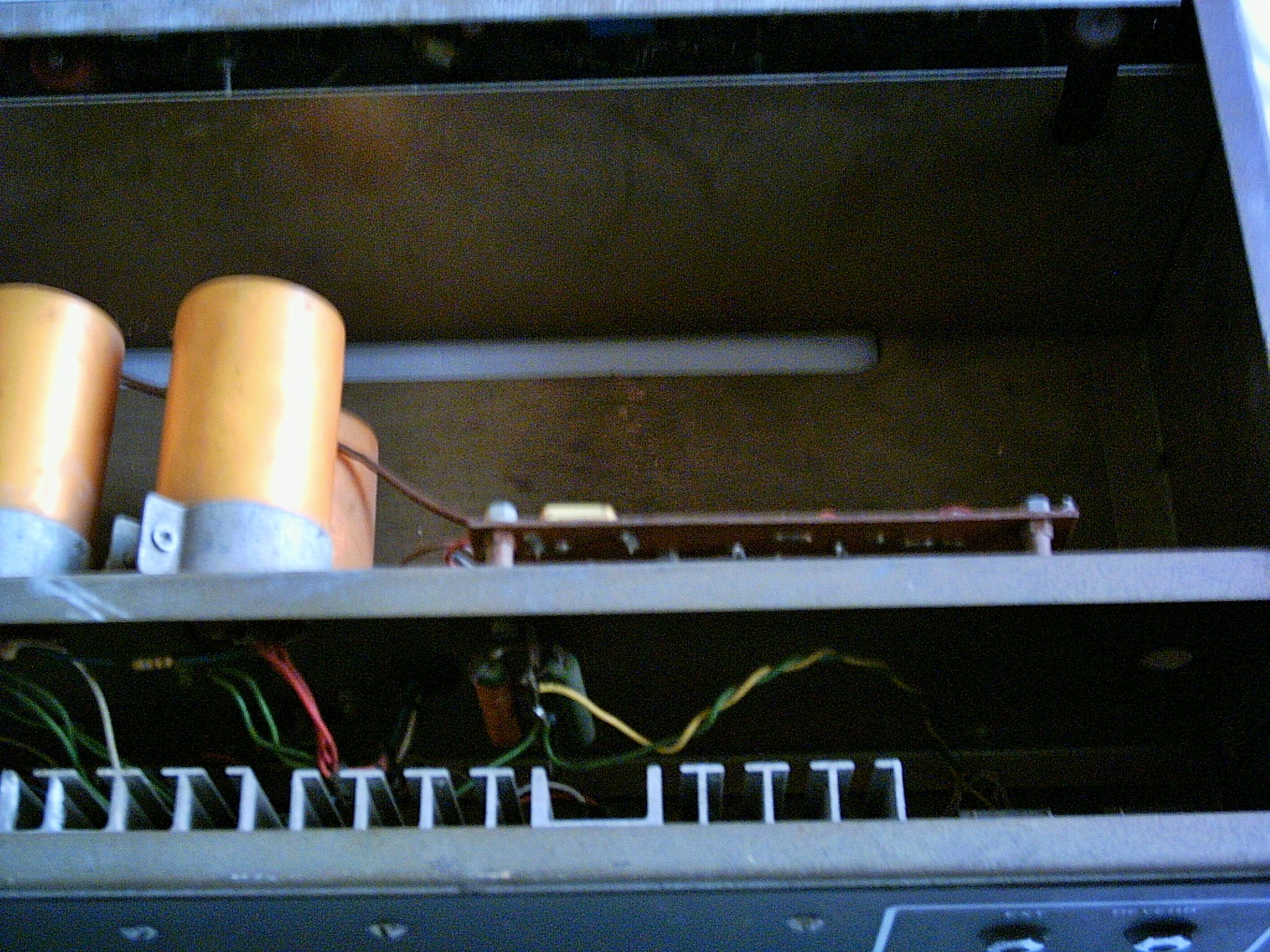
Just the chassis remains. The full unit came in two versions - one with 4x12", presumably much as the Compact 100 above - the amps are the same - the other with 2x18". One can see on the Compact 100 that a sticker replaces the legend "Slave Master". It may be that a sticker was once applied to the fascia of the amp immediately above too.
Vox Slave Driver
Slave Driver serial number 1001 - probably the first of the run is on this page. The amp below is no. 1052, so at least 51 were made.
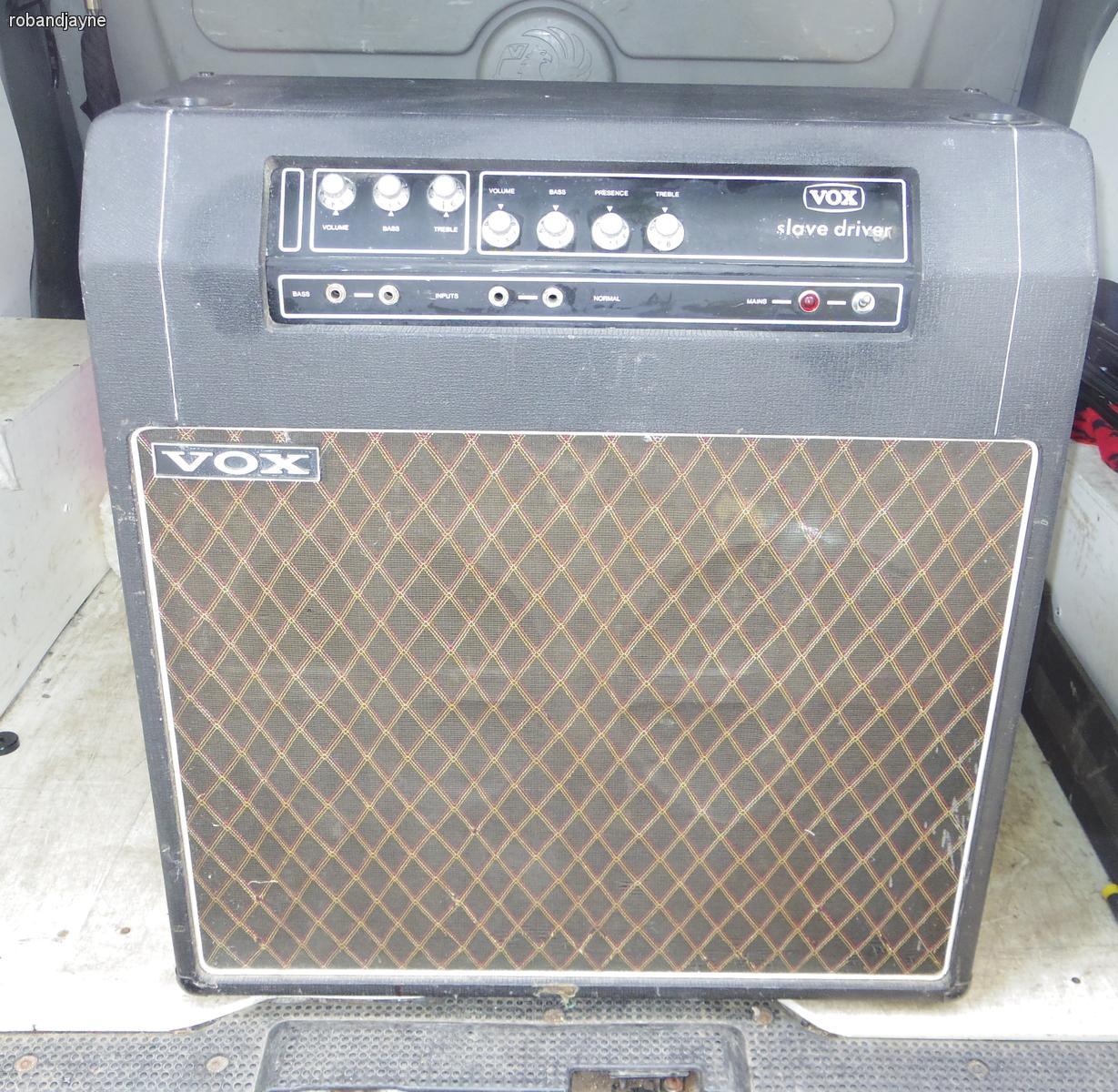
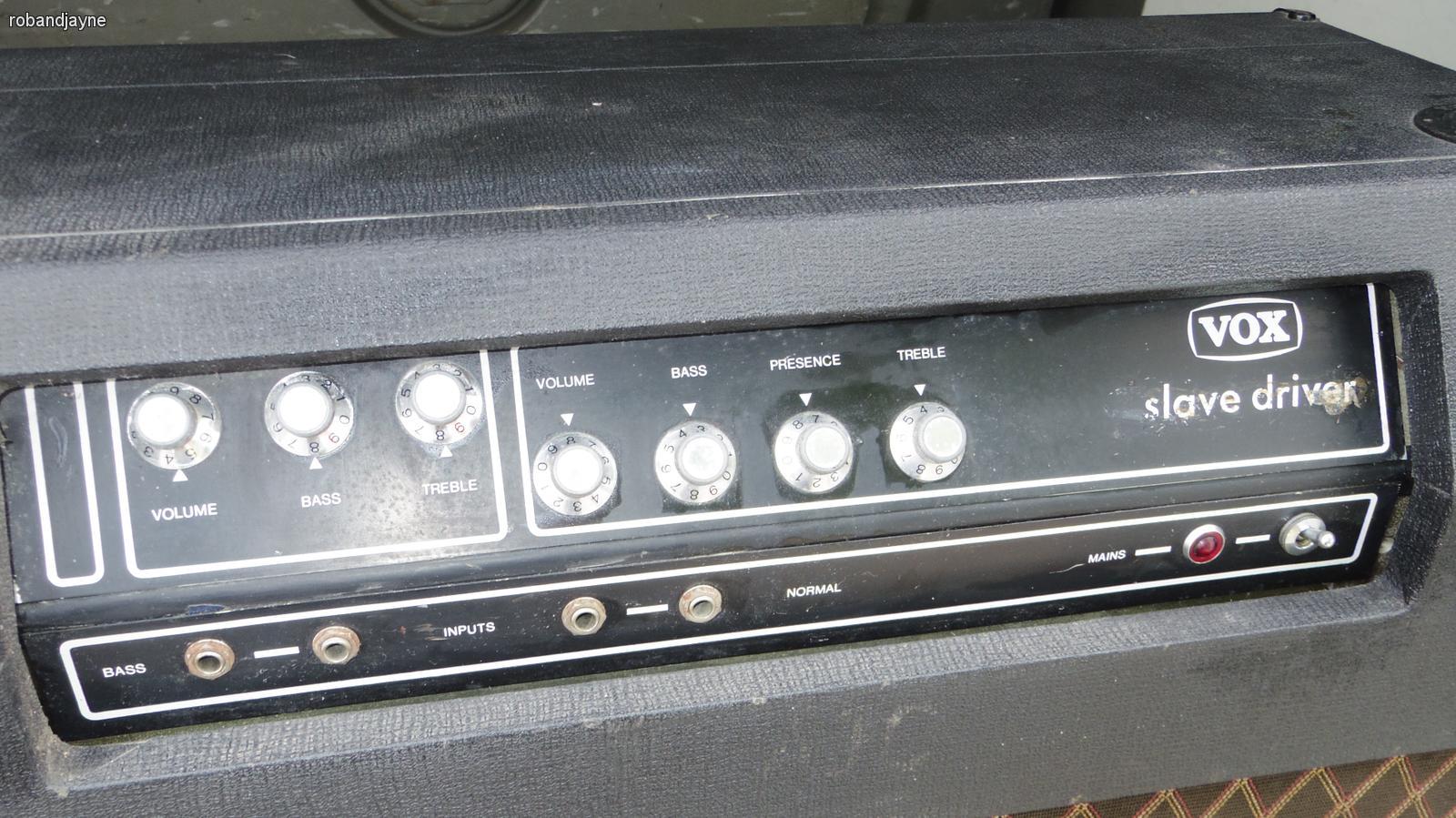
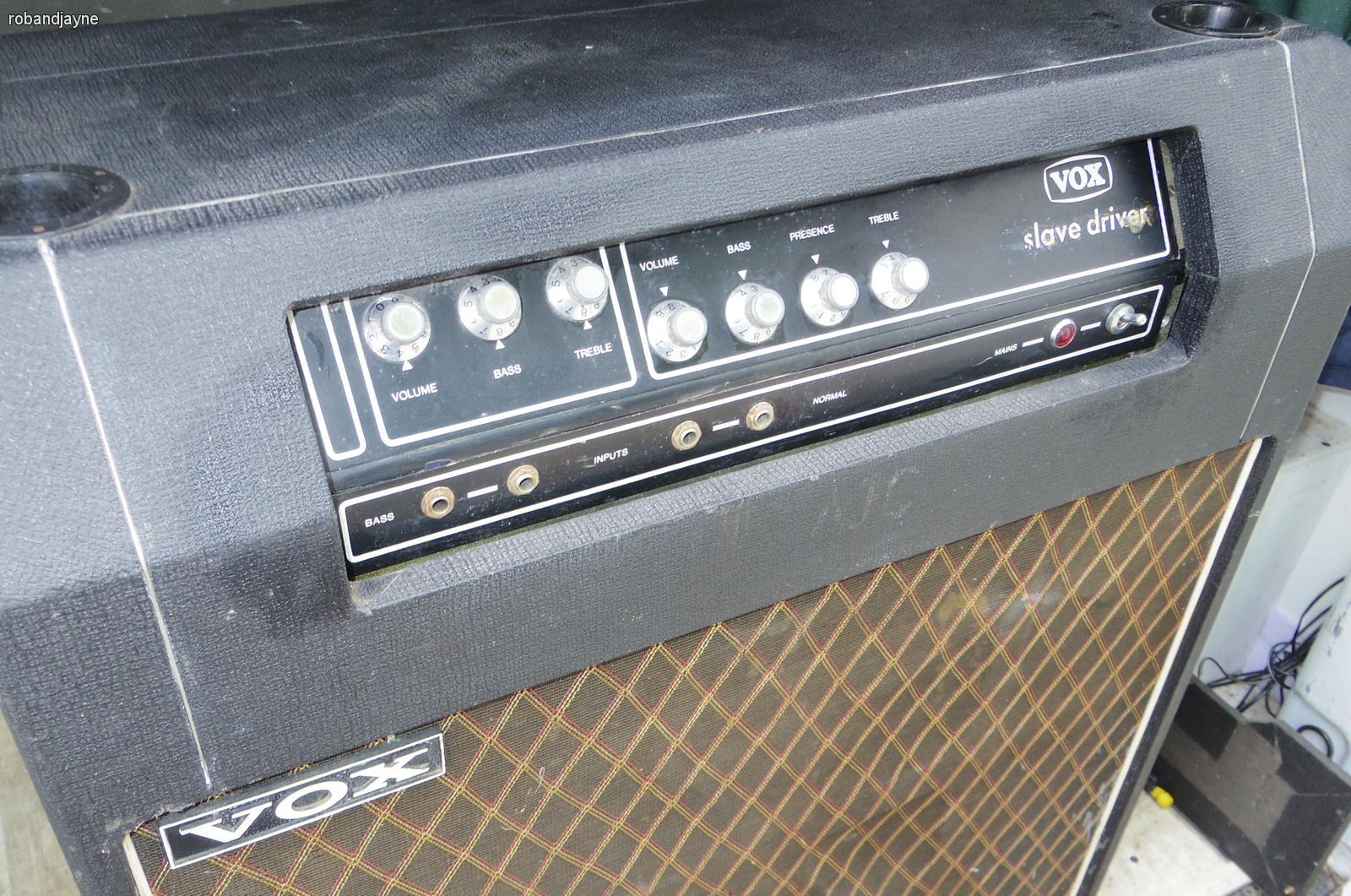
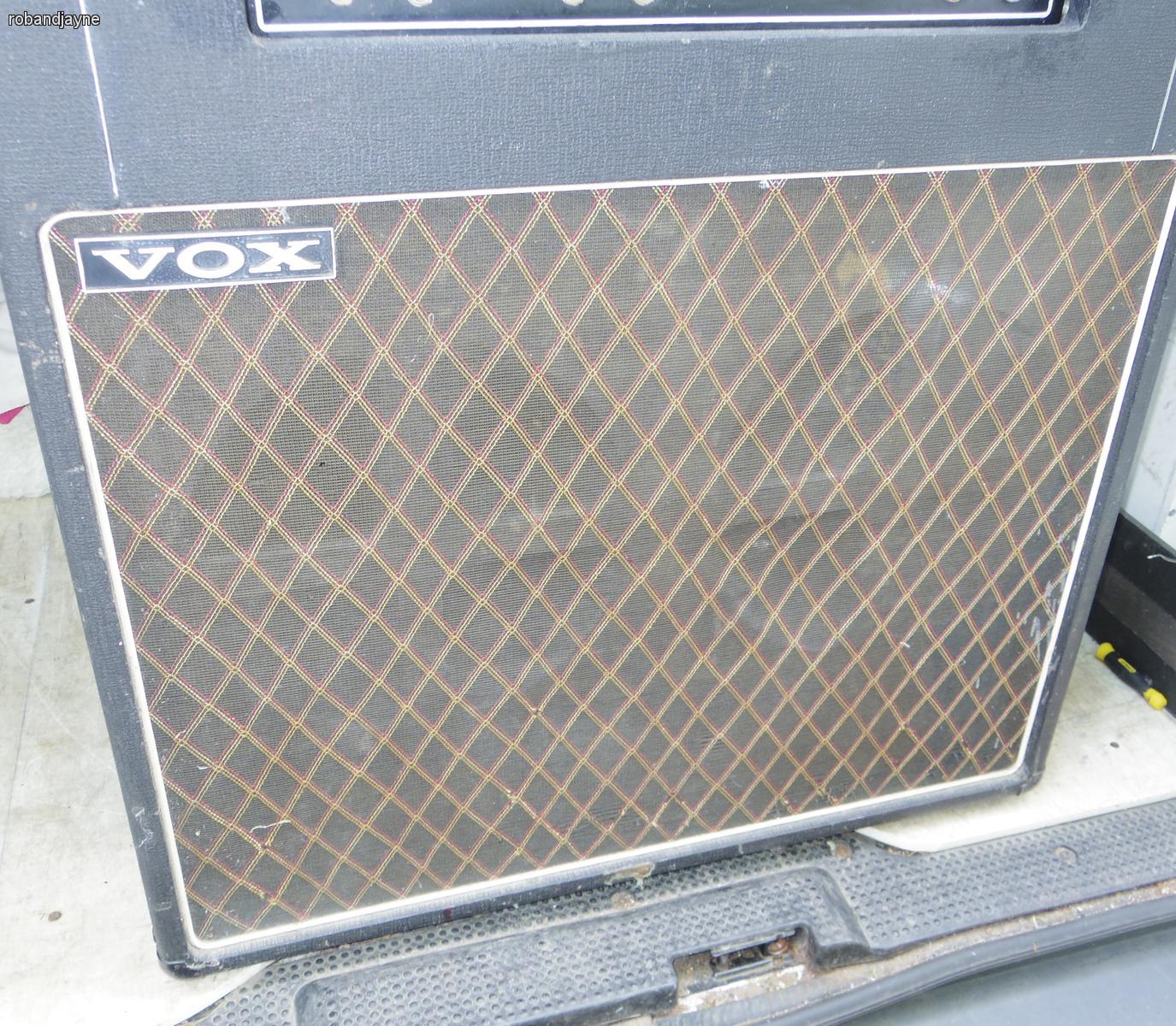
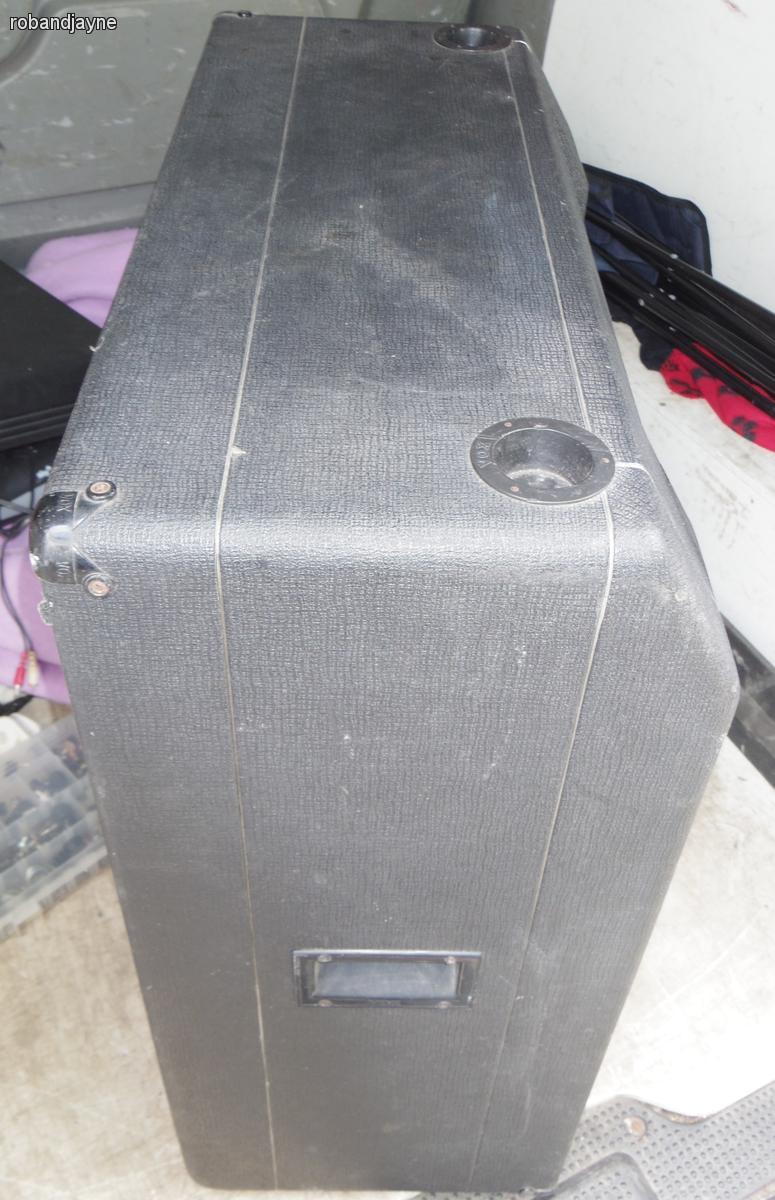
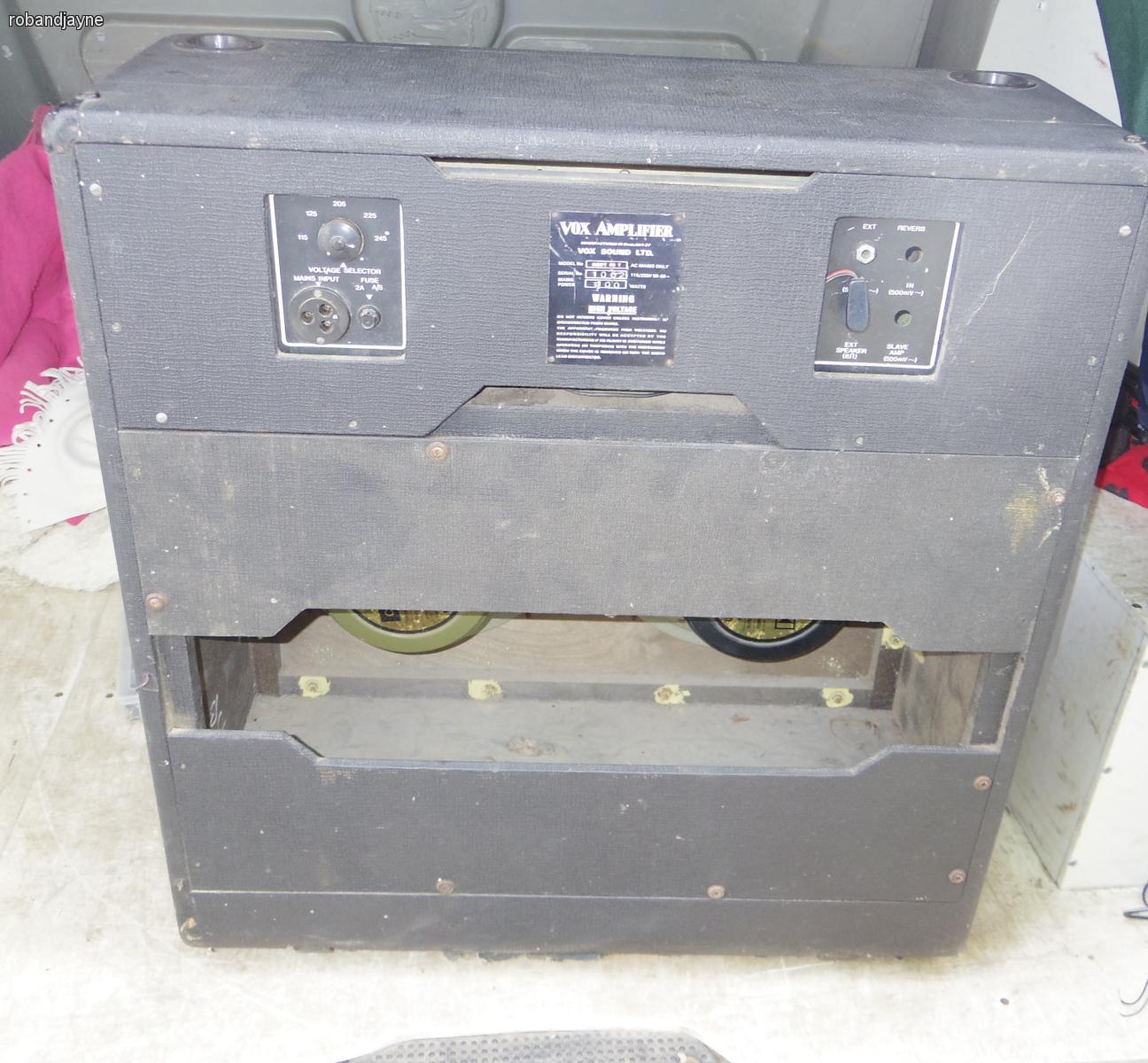
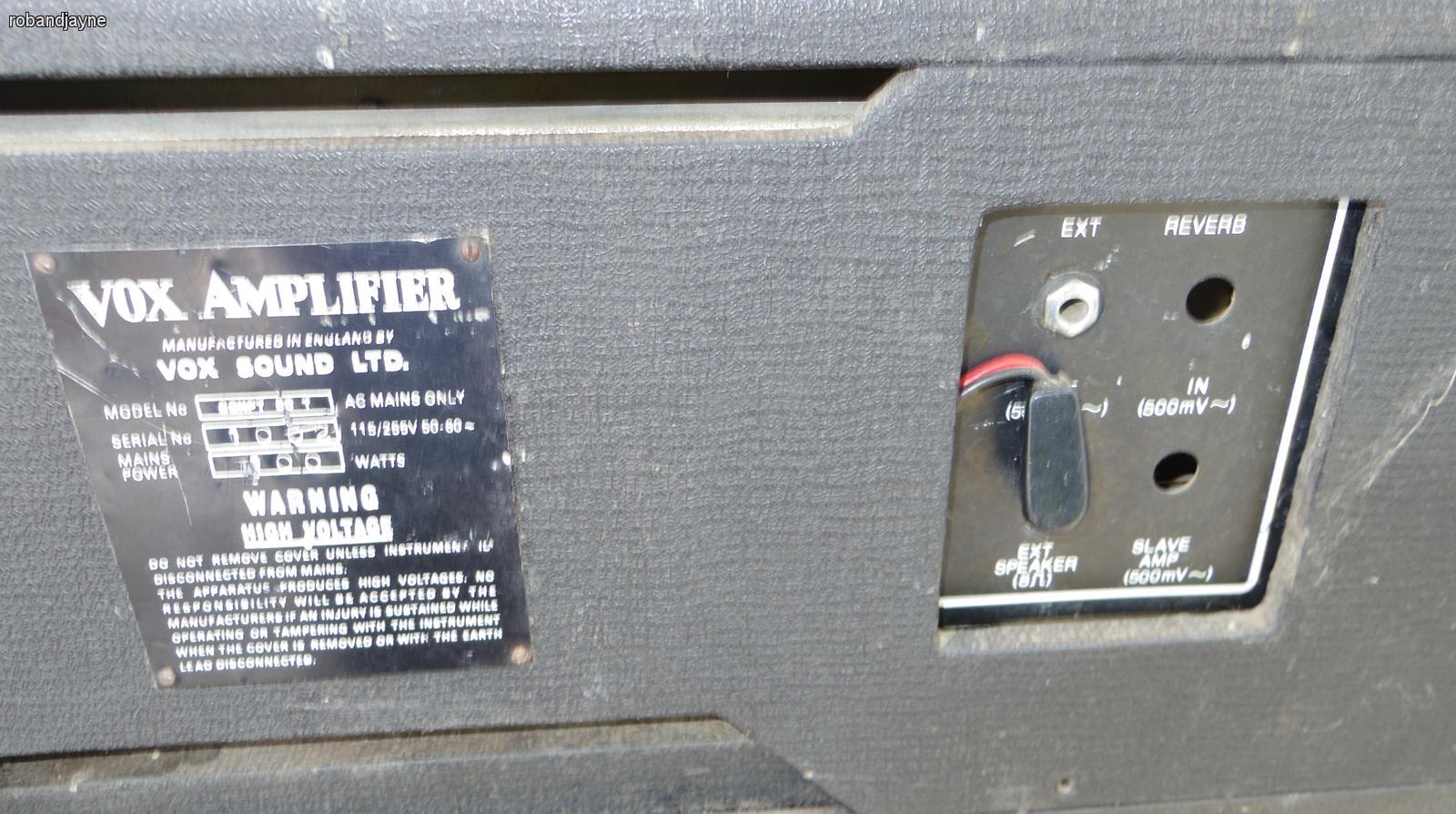
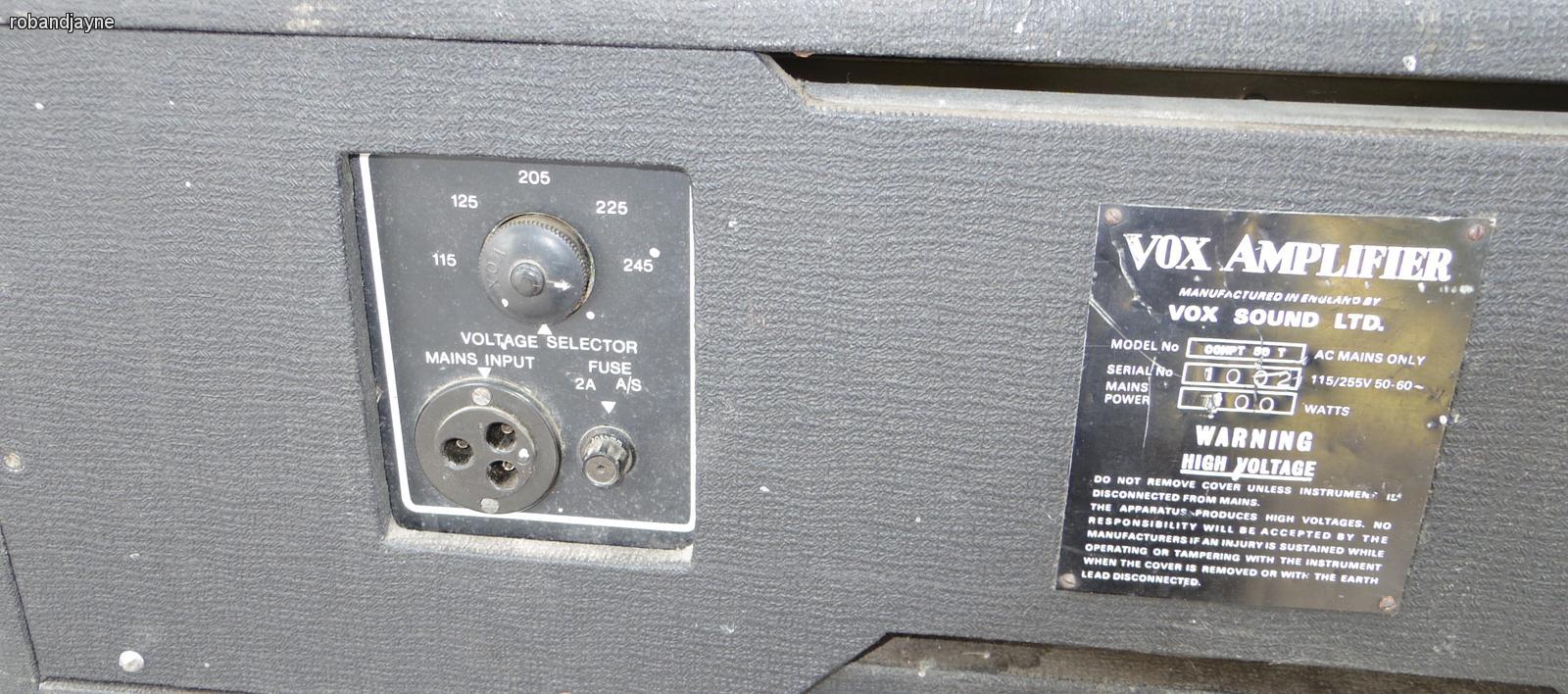
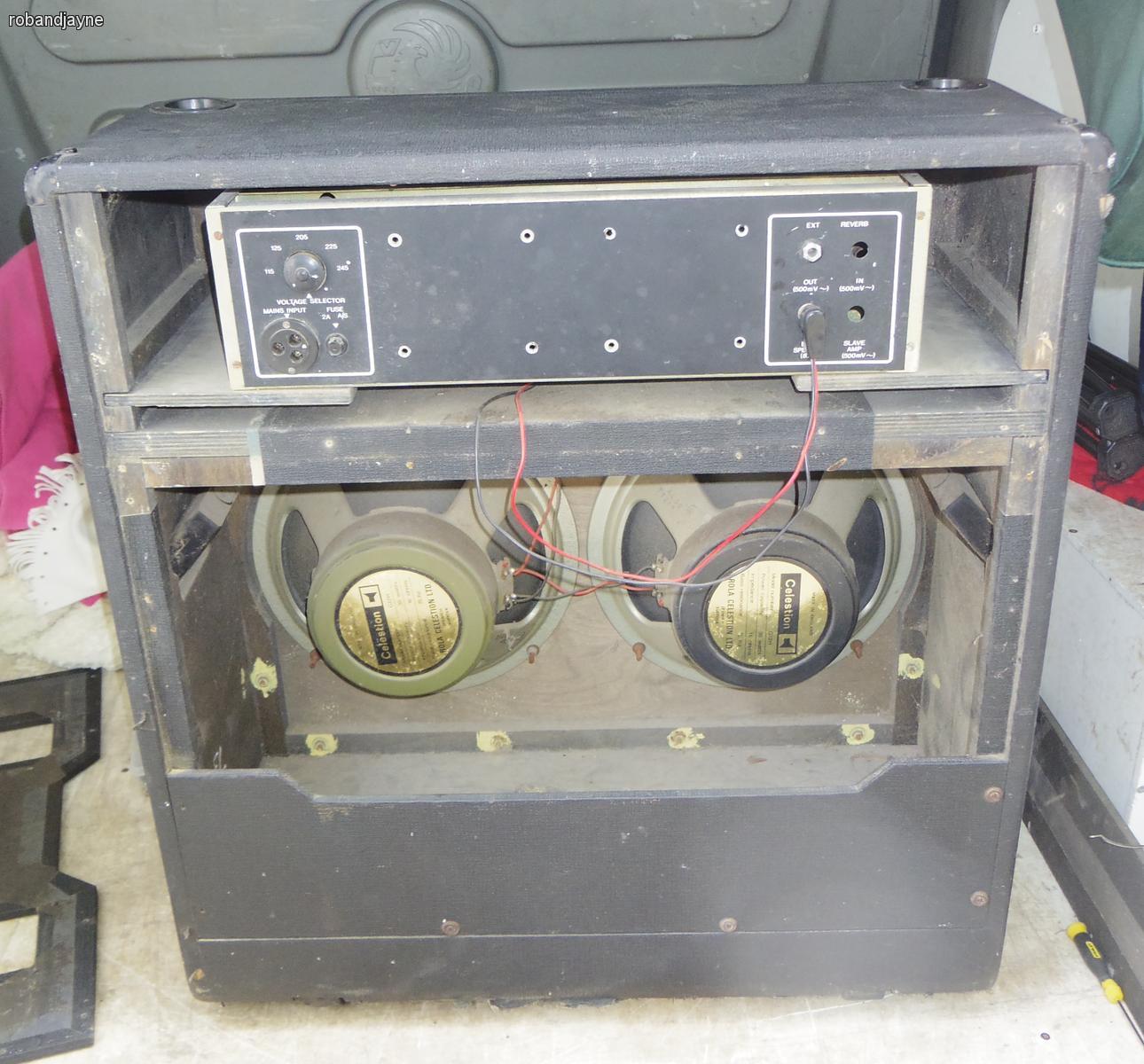
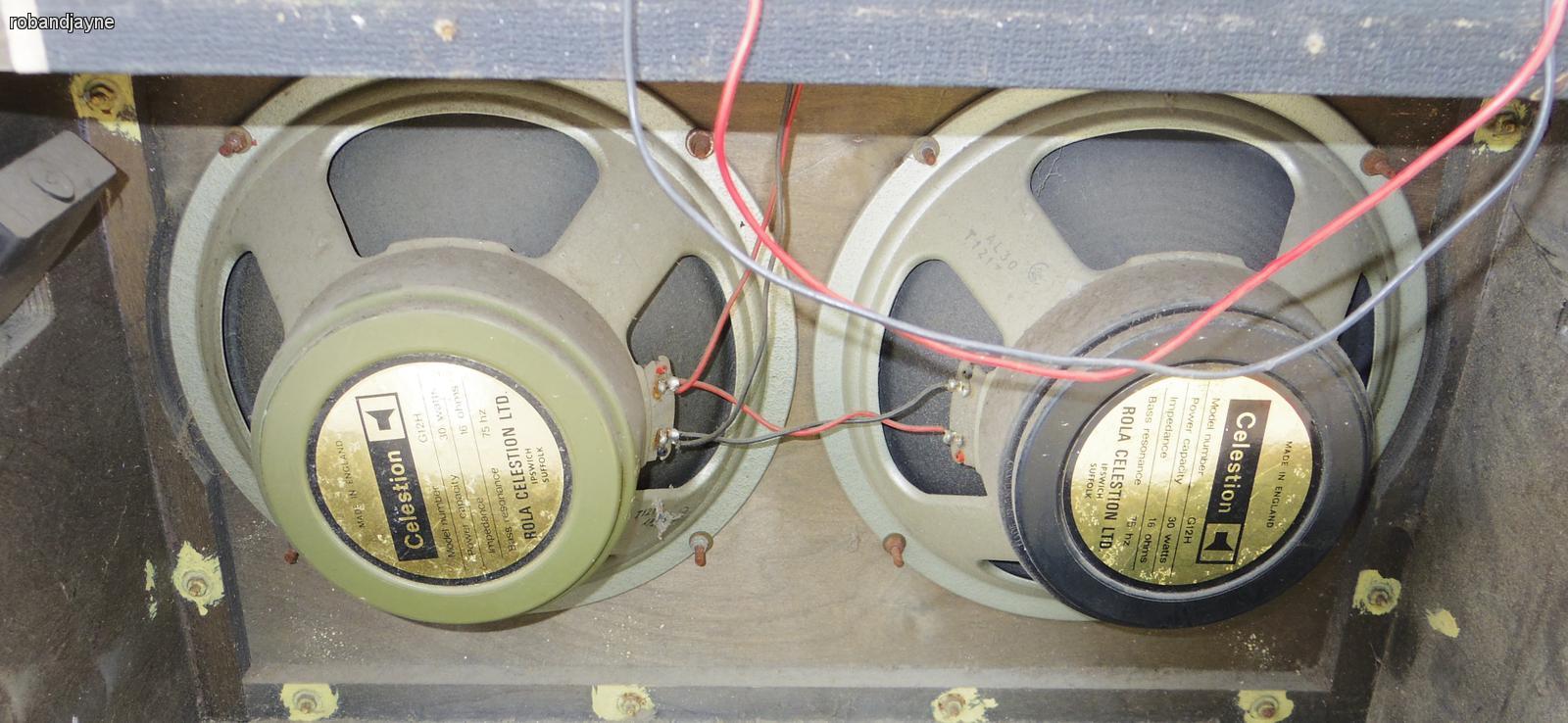
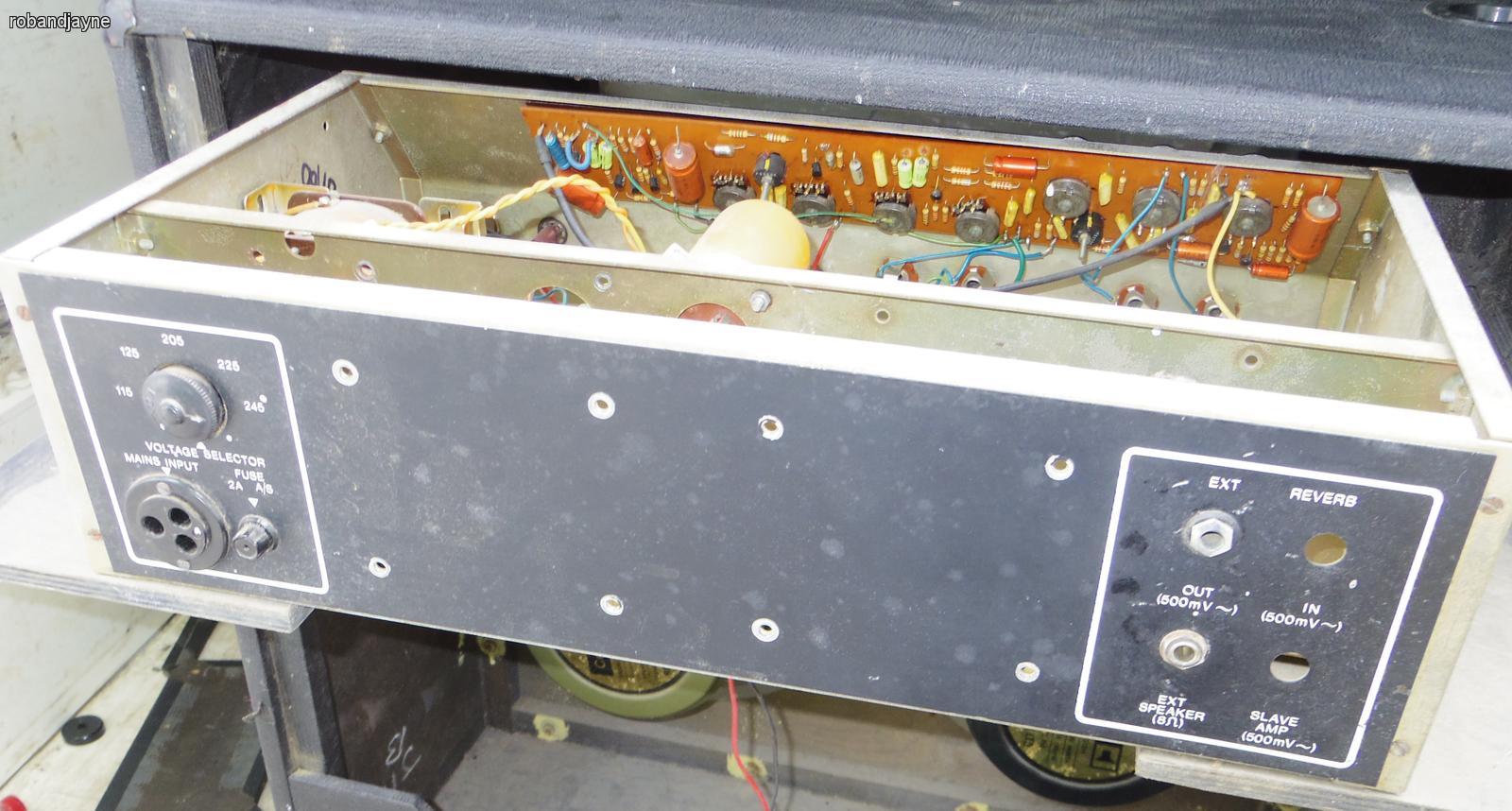
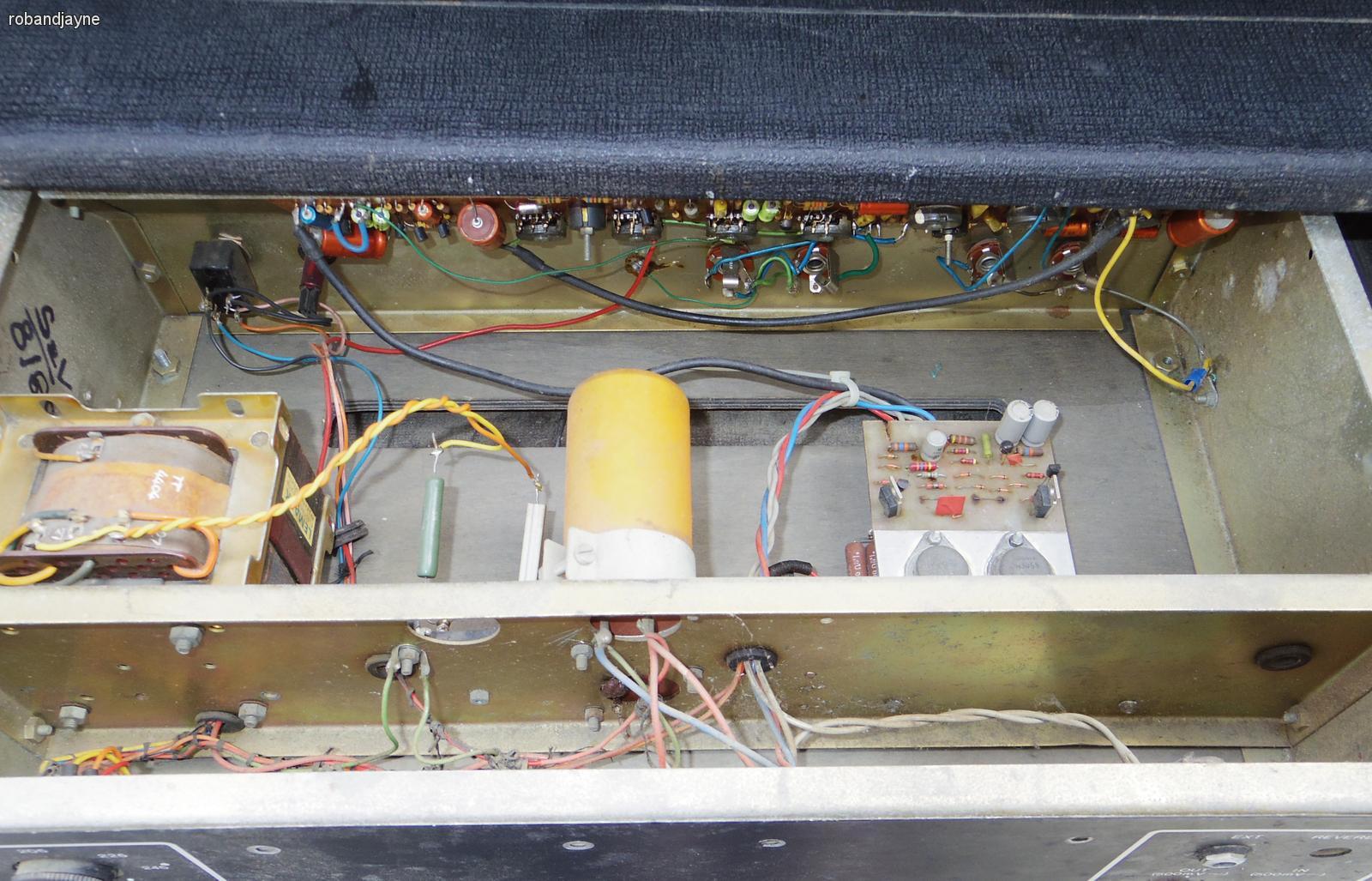

A similar format to the unit above, and also designed to be stacked. Two Celestion T1217s. Presumably 50-60W output; again simple volume and tone controls.